




How much electricity does a mirror with LED lighting consume and does it affect bills
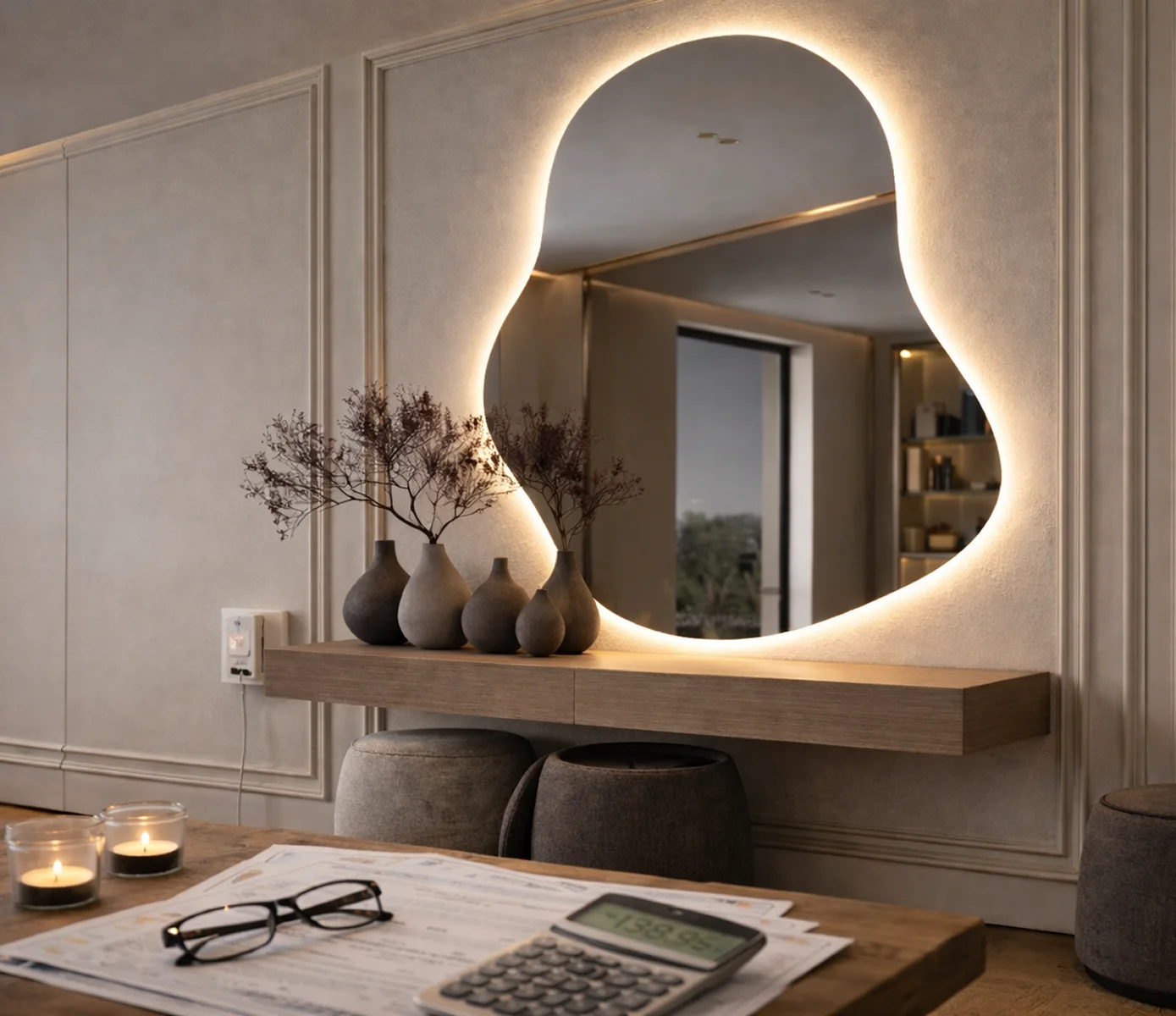
Mirrors with LED lighting are becoming increasingly popular in modern bathrooms, bedrooms and dressing rooms. They provide comfortable lighting, add style to the interior and significantly improve the convenience of daily use.
However, many buyers have a logical question: how much electricity does an illuminated mirror actually consume and will its use affect their electricity bills.
In fact, modern LED technology is one of the most economical, and Mironiks mirrors are designed with energy efficiency and safe operation in mind.
Let's take a closer look at what determines electricity consumption and why LED mirrors are considered a profitable solution for the home.
How LED lighting works in mirrors
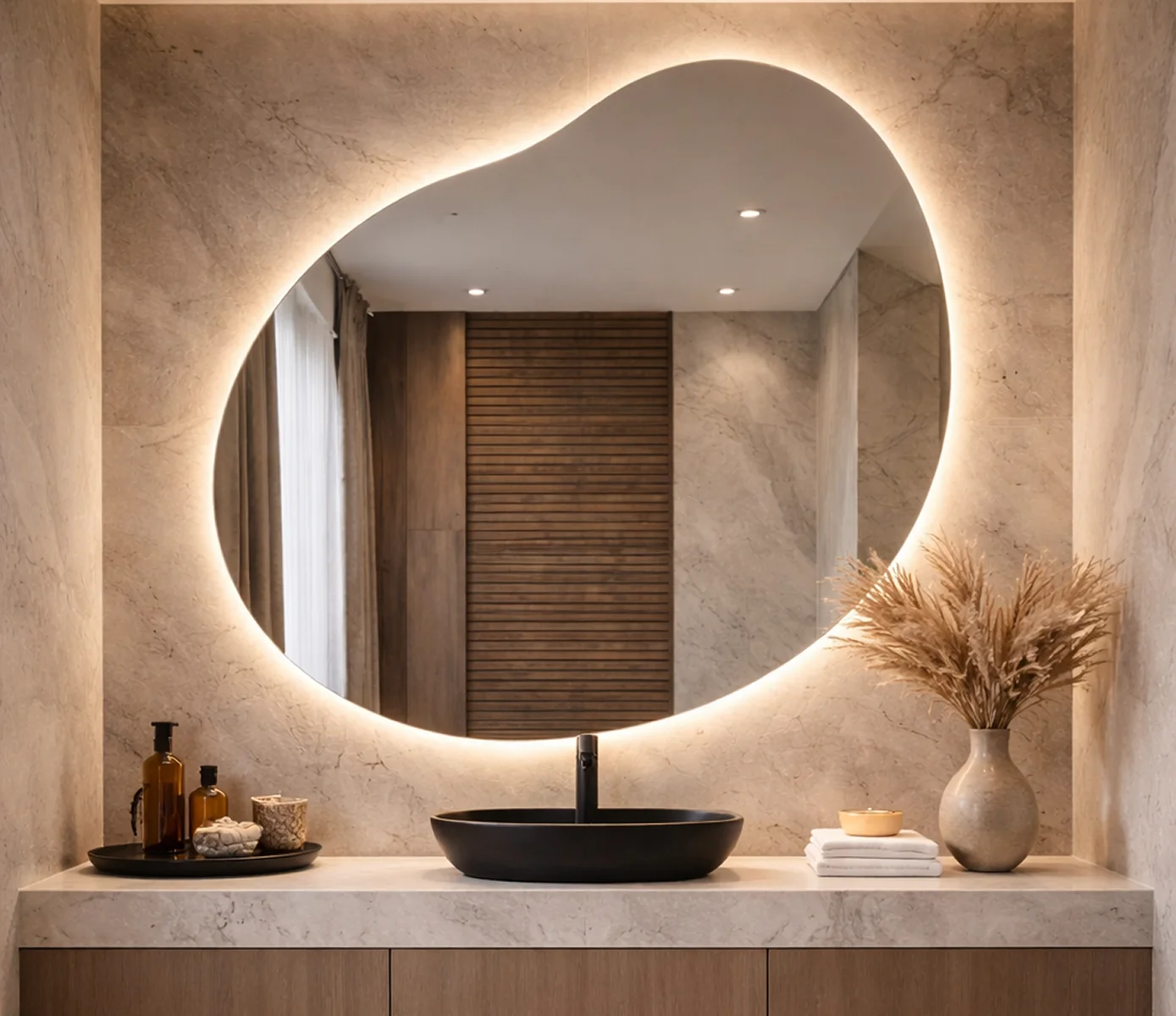
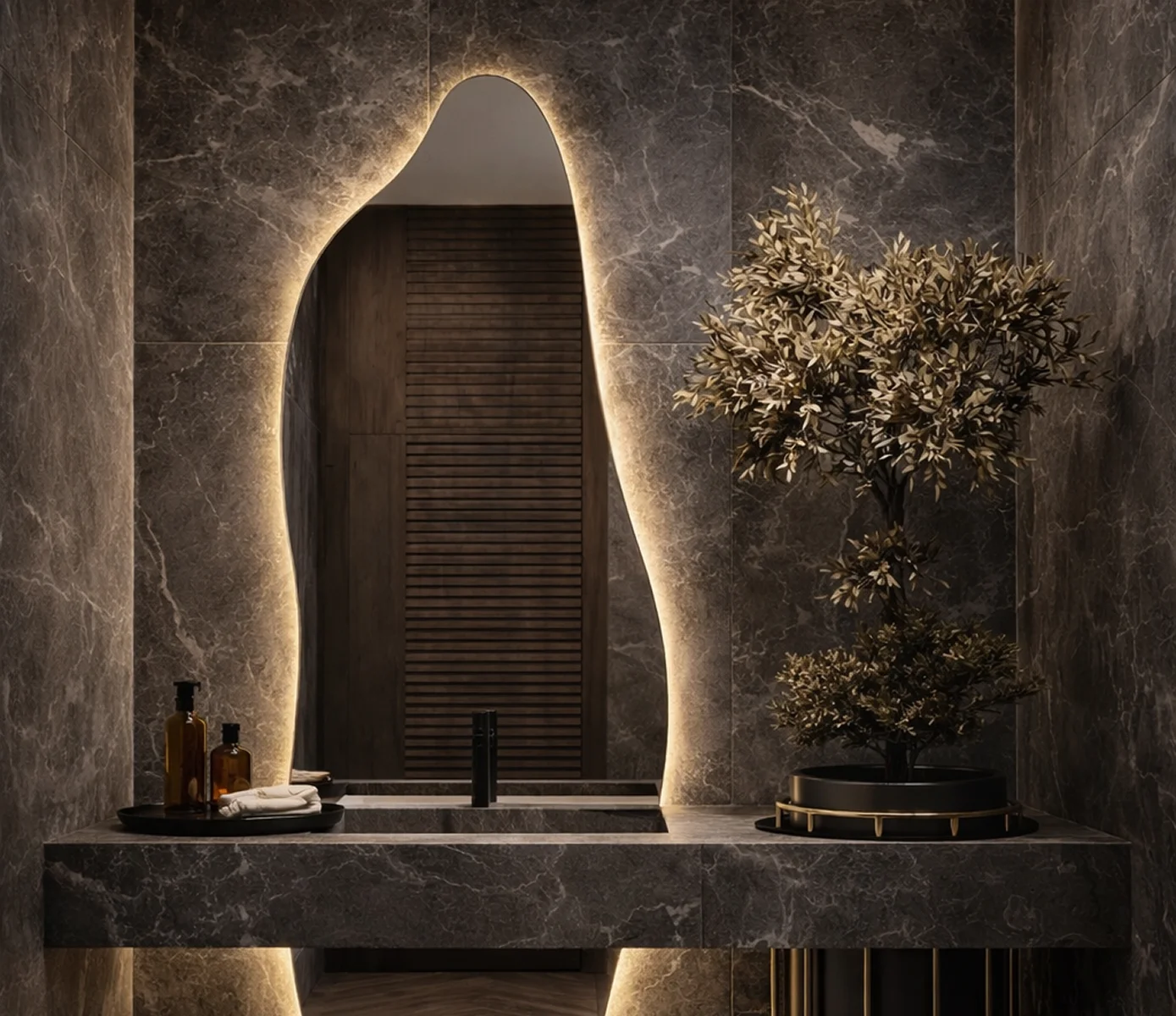
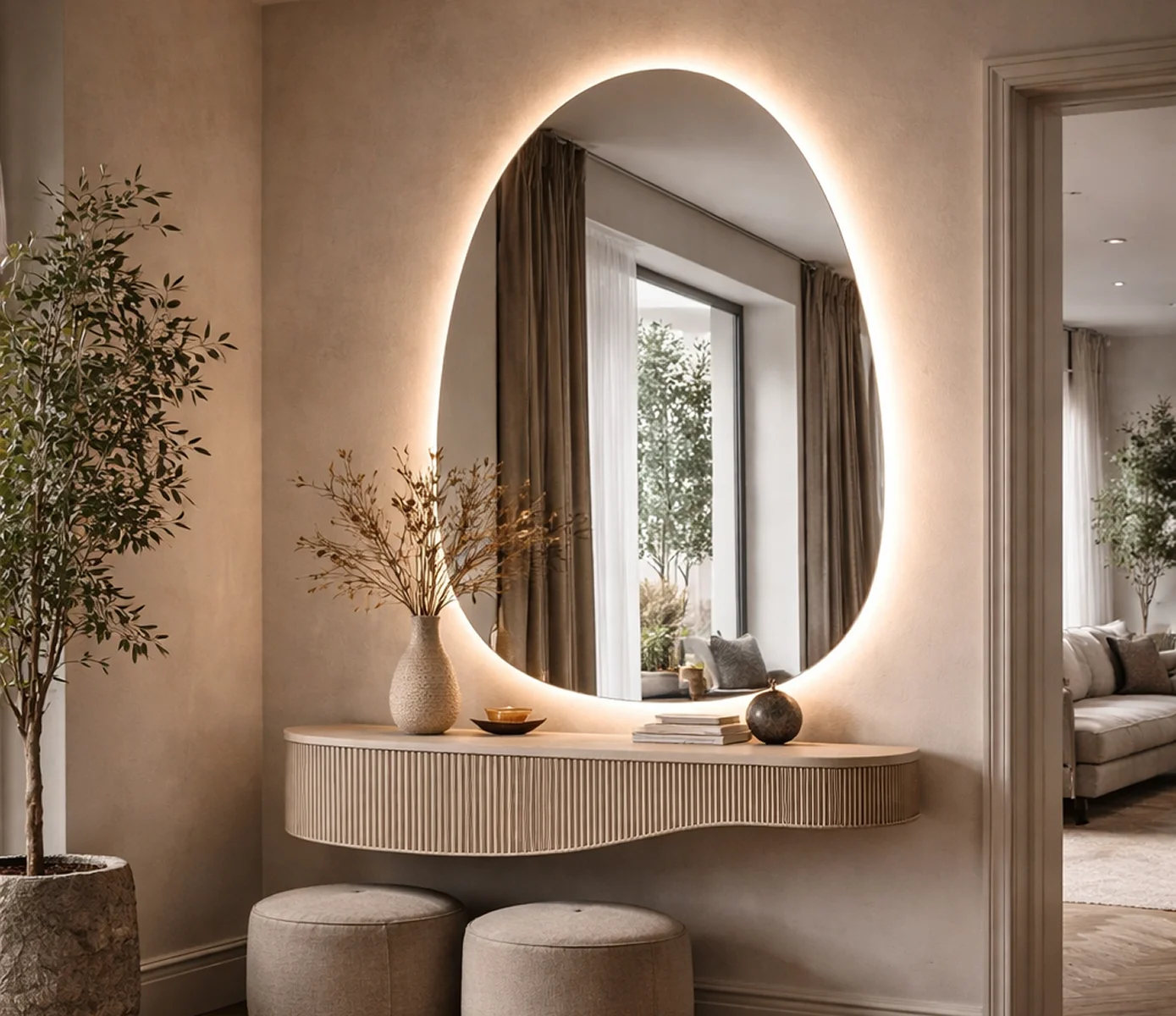
LED backlighting consists of LED strips or modules placed around the perimeter of the mirror or behind the mirror surface.
The main features of LED technology:
- high brightness with minimal power consumption;
- long service life (tens of thousands of hours);
- stable operation without overheating;
- uniform light without flicker.
Mironiks mirrors use high-quality LEDs that provide an optimal balance between brightness and efficiency.
Average power consumption of LED mirrors
On average, LED mirror lighting consumes 10 to 30 watts per hour, depending on the mirror:
- the size of the mirror;
- type of backlight (background, front, or combined);
- light brightness;
- availability of additional functions.
For comparison:
- A conventional incandescent lamp is about 60 watts;
- fluorescent lamp - 20-40 W;
- LED lighting is several times more economical.
Thus, a mirror with LED lighting consumes about the same or even less electricity than a single standard light bulb.
How much does it cost per month
Let's take a simple example.
For example:
- backlight power - 20 W;
- average usage time is 1 hour per day.
Calculation:
20 W × 30 days = 600 W or 0.6 kW per month.
Even with daily use, electricity consumption remains minimal and virtually invisible in the overall bill.
Even if you use the backlight for 2-3 hours a day, the consumption will still be insignificant.
What determines the energy efficiency of a mirror
Several factors affect the actual consumption of electricity:
Quality of LEDs
Cheap LEDs can consume more energy and lose brightness faster. Mironiks mirrors use reliable LED elements with optimal characteristics.
Brightness level
The ability to dim the light allows you to reduce power consumption as needed.
Type of backlight
Combined backlighting may consume slightly more than background lighting, but the difference remains insignificant.
Additional features
Anti-fogging or electronic modules can add a slight burden, but in high-quality models, these features are optimized.
Why LED mirrors are beneficial in the long run
In addition to minimal power consumption, LED mirrors have other economic advantages:
- do not require lamp replacement for many years;
- do not overheat;
- have a stable brightness throughout their service life;
- lessen the load on the power grid.
This makes Mironiks mirrors not only a stylish but also a practical choice for everyday use.
Should you worry about electricity bills
In real-world conditions, the use of an LED mirror has virtually no effect on the overall electricity consumption in a home.
The main costs of electricity usually form:
- household appliances;
- boilers;
- heaters;
- basic lighting.
Compared to them, the LED backlighting of the mirror consumes a very small amount of energy.
Conclusion.
An LED-lit mirror is a modern, convenient and energy-efficient solution for any bathroom or living space.
By choosing Mironiks mirrors, you get:
- minimal electricity consumption;
- high-quality and uniform lighting;
- reliable components;
- long service life;
- safe operation in wet areas.
LED technology allows you to enjoy comfort every day at no extra cost, combining economy with modern design.